 newbusinessinside
Food processors are challenged to maintain consistent food‑safety standards while running high‑speed production lines. Manual inspection cannot reliably detect hidden contaminants inside sealed packages, creating quality gaps that automated X‑ray systems help resolve.
Automated inspection technology provides a way to monitor products continuously without interrupting production. Easyweigh provides solutions that support manufacturers seeking more reliable quality control processes through advanced weighing and inspection technologies.
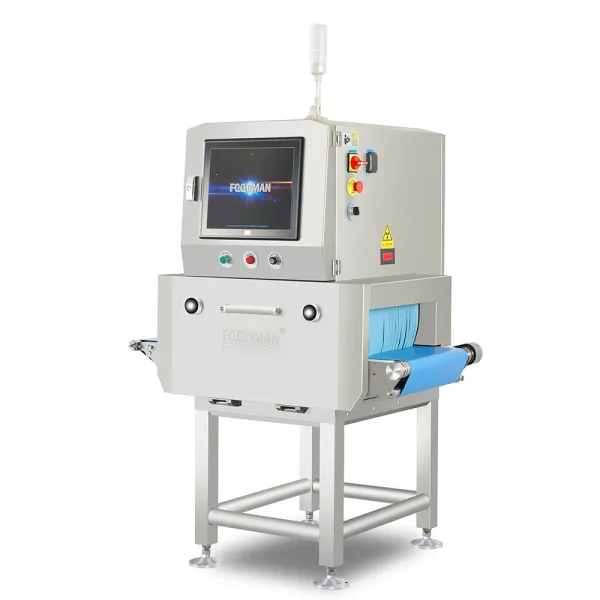
Modern food X-ray inspection equipment helps production teams identify foreign materials and product irregularities that may not be visible through traditional inspection methods. By integrating automated analysis into production workflows, manufacturers can improve response speed and reduce the risks associated with inconsistent inspection.
Production Challenges That Drive Automated Inspection Adoption
Food production environments involve multiple stages where quality issues can occur. Raw materials may contain unwanted particles, processing equipment may introduce contaminants, and packaging operations may create final product defects.
Traditional inspection approaches often depend on human observation or single-purpose detection methods. While these methods remain useful in certain situations, they may have limitations when manufacturers need continuous monitoring across large production volumes.
Automated X-ray inspection systems address these challenges by examining products as they move through the production line. The technology analyzes differences in material density, allowing manufacturers to detect certain foreign objects inside products or packaging.
The need for reliable food X-ray inspection equipment has increased because food companies must balance safety requirements with operational efficiency. Automated systems reduce dependence on manual checks while providing consistent inspection results throughout production shifts.
How Automated X-Ray Systems Operate During Manufacturing
Automated X-ray inspection systems use X-ray imaging technology to examine products as they pass through an inspection area. Sensors collect image data, and software evaluates the information to identify unusual patterns that may indicate contamination or product problems.
The inspection process happens without opening packages or damaging products. Finished goods can continue through the production line while the system performs quality checks in real time.
Automation improves the workflow by connecting inspection results with rejection mechanisms. If a product does not meet inspection criteria, the system can trigger automatic removal, preventing potentially unsuitable items from reaching customers.
Manufacturers often configure inspection points according to their production objectives. Some companies inspect ingredients before processing, while others focus on final packaged products before shipment. The correct position depends on the type of risk being controlled and the structure of the production line.
Where X-Ray Inspection Fits Into Food Production Lines
Different food production environments require different inspection strategies. A bakery line, frozen food facility, or packaged snack operation may face different contamination risks and product handling conditions.
For packaged products, automated X-ray inspection can support quality checks after filling and sealing. The system can inspect products without requiring package removal, making it suitable for manufacturers that need to maintain packaging integrity.
Bulk food operations also require specialized inspection approaches. Products moving continuously through conveyors need systems capable of analyzing large quantities while maintaining production speed.
The role of food X-ray inspection equipment extends beyond contamination detection. Some systems can also support checks related to missing components, damaged packaging, or product consistency, depending on configuration and application requirements.
Easyweigh develops inspection solutions designed around industrial production needs, helping manufacturers integrate automated inspection into existing workflows without unnecessary disruption.
Operational Factors Behind Consistent Inspection Performance
Reliable inspection depends on more than installing equipment on a production line. Product characteristics, conveyor movement, environmental conditions, and system settings all influence inspection accuracy.
Product positioning is an important factor because overlapping or irregularly placed items may affect image analysis. Stable product flow allows the inspection system to collect clearer information and maintain consistent operation.
Manufacturers should also consider cleaning requirements and factory conditions. Food processing facilities often involve moisture, temperature changes, and frequent sanitation procedures. Equipment used in these environments needs to support dependable operation under demanding conditions.
Software functions also contribute to inspection efficiency. Automated image processing and system controls can help operators manage different product types and reduce adjustment time when production requirements change.
Training and maintenance remain essential parts of successful implementation. Operators who understand system functions can respond more effectively to inspection alerts and maintain stable production performance.
Strengthening Food Safety Through Smarter Inspection Workflows
Automated X-ray inspection systems provide food manufacturers with a practical method for improving quality control while maintaining production efficiency. The technology supports continuous monitoring and helps companies manage contamination risks more effectively.
Easyweigh continues to focus on solutions that connect automation with industrial inspection requirements. Its approach helps manufacturers create more dependable production processes where inspection becomes part of the overall manufacturing workflow.
For businesses evaluating inspection technology, selecting the right system requires understanding product conditions, production goals, and operational challenges. A well-designed inspection process can reduce waste, support compliance goals, and improve confidence in finished products.
Easyweigh helps food producers move toward smarter quality management by combining automation expertise with inspection solutions designed for modern manufacturing environments. As food production becomes increasingly automated, inspection systems will remain an important tool for maintaining safety, consistency, and operational control.