 newbusinessinside

Watching a 3D printed vase slowly shift from a deep midnight blue at the base into a vibrant sunset orange at the top creates an undeniable sense of excitement for any maker. A multi-colored strand carries the pigment transition along a single continuous line, allowing the object to change hue automatically as the extruder works. This visible, organic progress turns a normally static build into an evolving event that you actually look forward to checking on. The core appeal lies in the built-in variety that adds genuine anticipation and creative joy to every single project, making standard single-color printing feel quite dull by comparison. The visual feedback loop is incredibly rewarding, as you can literally see the spool running out and the next color taking its place in real-time.
Understanding the Color Cycle Mechanics
These specialized spools hold multiple pigments spaced out along the physical strand. As the printer consumes the material, the printed part moves from one color zone to the next, creating a gradual and beautiful shift. The final look depends entirely on the specific cycle length of the spool. A reliable manufacturer like SUNLU maintains a highly consistent color interval, which is crucial for predictable results. This consistency allows makers to plan large projects that showcase the full gradient without unpleasant abrupt lines. You can calculate roughly how much filament a model needs and predict exactly where the colors will transition, giving you complete control over the artistic outcome.
Slicing for a Visible Gradient
Model volume provides the main lever for revealing the colorful transition. A design with thicker exterior walls or dense internal infill forces the extruder to push through much more material, which expands the visible color change across the surface. Small, hollow objects finish before the pigment moves noticeably, often resulting in a single solid color. Placing multiple parts on the same build plate pulls more filament per layer, which helps the gradient develop across the entire set. Scaling up the model slightly can also stretch the color bands further apart, creating a smoother and more dramatic visual effect for your display piece.
Orientation and Seam Placement
Orientation dictates exactly where the color lands on the final model. Rotating a part on the virtual build plate shifts the transition to different surfaces. Previewing the toolpath in your slicer shows how the color phase aligns with the exterior walls. This simple step prevents a beautiful gradient from ending up entirely on hidden interior geometry. Tweaking the Z-seam position to a hidden corner removes sudden color drops from the most visible sides. By carefully aligning the model, you can ensure that the most dramatic color changes occur on the primary focal points of the print.
Keeping the Experience Frustration-Free
Visual appeal draws immediate attention, but consistent printing performance is equally important when working with rainbow filament. Uneven extrusion, filament tangles, or inconsistent material diameter can interrupt the printing process and affect the appearance of color transitions. Choosing a reliable rainbow filament helps maintain a steady material feed, allowing the printer to produce smoother layers and more consistent color changes throughout the build.
Material selection should also match the intended application. For example, PLA-based rainbow filament offers an accessible option for decorative models, personalized gifts, and everyday creative projects because of its straightforward printing characteristics. Makers who want additional toughness for functional prints can also explore PLA Plus options, although these materials should not be assumed to produce the same multicolor effects unless they are specifically formulated as rainbow filament.
By combining suitable material selection with proper printer calibration, users can enjoy the visual appeal of rainbow filament without unnecessarily compromising print consistency.
Temperature, Speed, and Surface Quality
Tuning a PLA Plus 3D Printer Filament requires balancing heat and speed to achieve a clean, glossy finish. For silk rainbow variants, printing at a moderate speed within the recommended temperature range preserves a highly reflective surface. Rapid extrusion can stretch the polymer chains and dull the gloss, which hides the vibrant colors. Running a temperature tower test identifies the exact point where the gloss peaks without causing nozzle oozing. This test is particularly useful because different pigments can subtly alter the ideal melting temperature.
Temperature affects how sharply the layers read, though it does not drive the color change itself. Excess heat introduces stringing, and thin webs look messy in a multicolor print because they drag stray pigment into open space. Adjusting retraction settings and keeping travel moves short confines the bright color to the intended surfaces. If overhangs begin to sag, gradually increasing the part cooling fan speed helps the plastic solidify before it droops. A well-tuned cooling profile ensures the layer lines remain crisp, which enhances the overall optical effect of the shifting colors.
Practical Use and Material Care
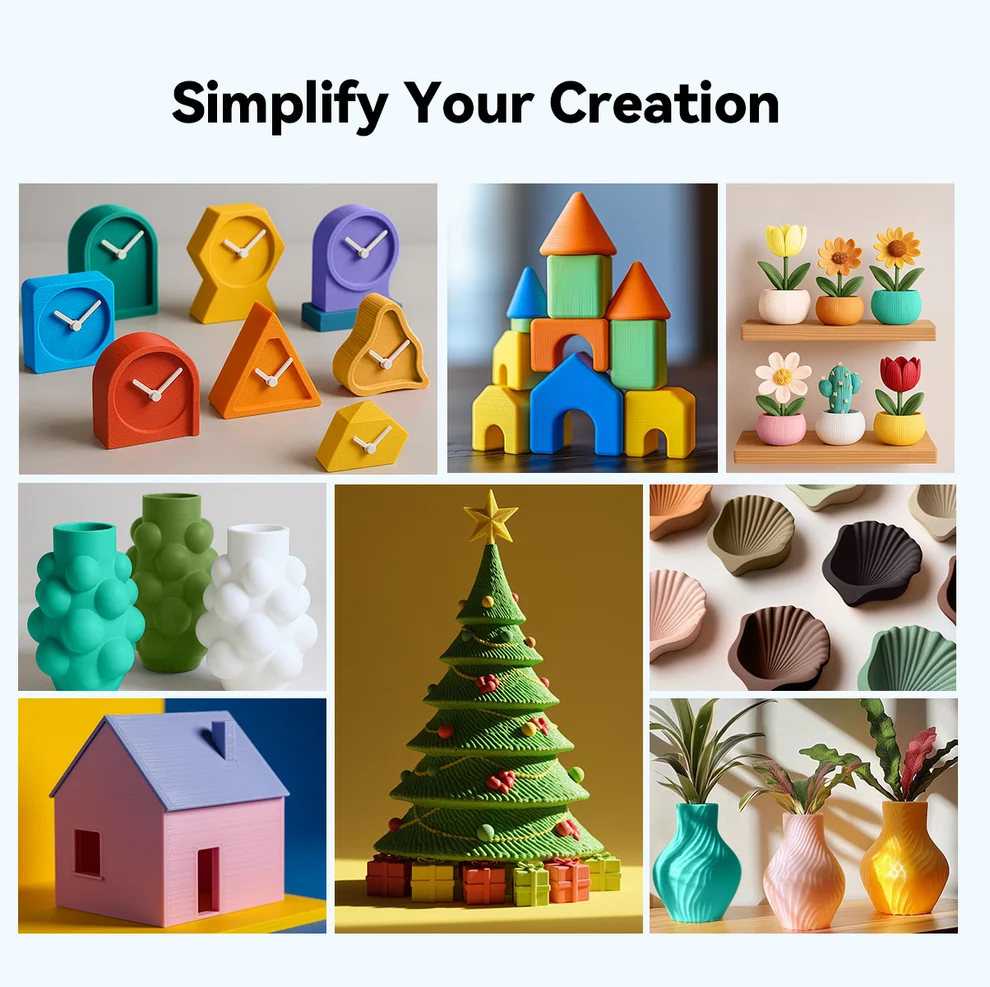
These colorful spools are ideal for decorative models, educational props, and personalized gifts where visual variety adds to the creative experience. To maintain consistent printing performance, proper storage is essential. Like other PLA-based filaments, rainbow filament can absorb moisture from the surrounding air, potentially causing popping sounds, uneven extrusion, and rough surface finishes during printing.
After use, keep the filament sealed in its original packaging or an airtight storage bag with desiccant. Store it in a cool, dry environment away from direct sunlight and excessive humidity. If the material has absorbed moisture, drying it according to the manufacturer’s recommendations before printing can help restore more consistent extrusion. With proper storage and handling, makers can better preserve filament quality and enjoy smooth color transitions across future projects.