 newbusinessinside
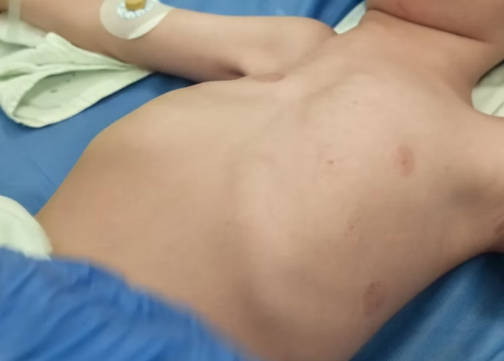
Poland syndrome is a rare congenital condition that affects how the chest wall and, in some cases, the upper limbs grow. It can range from slightly underdeveloped chest muscles to severe cases involving abnormalities of the chest wall bony structures, complete absence of the pectoralis muscles, ribs, or breast tissue. Some patients also have upper limb malformations, such as syndactyly (fused fingers) or brachydactyly (short fingers).
Possible Developmental Factors
Researchers are not sure what causes Poland disease syndrome, but they think it might have something to do with the pectoral muscle bud growing in an unusual way during fetal development. In addition, disrupted blood flow to the chest wall may also lead to developmental abnormalities of the soft tissues and bony structures. Some cases show a genetic predisposition, and thus the condition may recur within the same family.
The Role of Genetics
There is clinical evidence suggesting that Poland syndrome can occasionally recur within the same family, and certain gene mutations have been detected on the chromosomes of some affected patients, providing evidence for the involvement of genetic factors. Potential genetic mechanisms also include autosomal dominant inheritance and single-gene defects.
Ways to Manage
The treatment for Poland syndrome is customized to meet the patient’s unique structural and aesthetic requirements. For patients with chest wall depression, the Wang procedure or Willine procedure may be performed. For those with chest wall defects, bony structure reconstruction can be conducted using autologous ribs or MatrixRIB plates. In patients with soft tissue hypoplasia, soft tissue reconstruction—such as mammoplasty and breast augmentation—is also required. These methods are meant to fix chest problems, restore symmetry, and make the chest wall work better. The Institute of Chest Wall Surgery (ICWS) makes personalized surgical plans based on how bad the condition is and how old the patient is.
Conclusion
The exact causes of Poland syndrome are not fully known, but it may be caused by problems with fetal development, blood supply, and possibly genetics. Recognizing these possible factors helps with early assessment and informed treatment plans, which leads to better functional and aesthetic results.