 newbusinessinside
CNC machining equipment plays an important role in modern metal fabrication, especially when comparing turning and milling systems used in different production environments. For buyers such as procurement teams, EPC contractors, and industrial distributors, understanding how these two machine types operate helps in selecting suitable solutions for specific machining tasks. Companies like Leichman provide equipment that supports both turning and combined machining applications across multiple industrial sectors.
Working Principle of Turning Systems
A CNC lathe is mainly designed for rotating workpieces while cutting tools remain fixed in position. This method is widely used for producing cylindrical components such as shafts, pins, and threaded parts. In the field of CNC lathe manufacturers, equipment is generally optimized for high stability and continuous rotation processing.
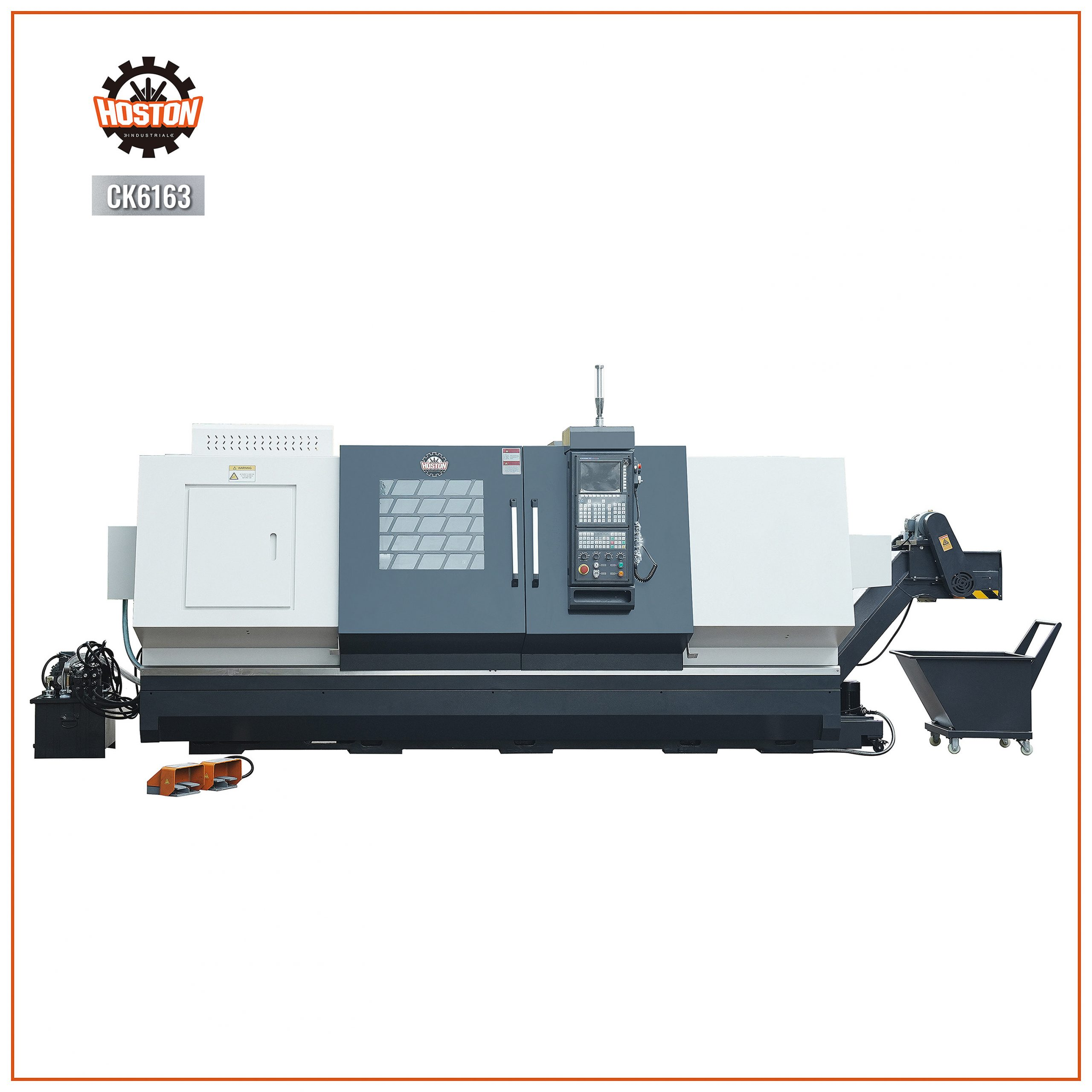
In this category, Leichman provides horizontal bed lathe models such as the CK6163 series, which is designed for medium to large metal parts. The machine structure supports steady cutting performance and is suitable for batch production environments. These systems are often selected by metal processing factories that require consistent dimensional accuracy and stable output.
Structure and Function of Milling Machines
Unlike turning systems, a CNC milling machine keeps the workpiece fixed while the cutting tool moves along multiple axes. This allows for more complex surface shaping, including slots, cavities, and irregular geometries. In many production lines, cnc lathe and milling machine solutions are used together to complete multi-step machining tasks.
Milling machines are commonly applied in industries requiring multi-surface processing, such as mechanical housings and structural components. Compared to turning, the process involves more flexible tool paths and multi-directional cutting movement, making it suitable for complex part design requirements.
Integrated Machining Applications
In modern manufacturing workflows, turning and milling are often combined to improve efficiency. Hybrid machining setups reduce part transfer time between machines and help maintain consistent precision. This approach is frequently used by international trade companies and industrial equipment agents working with diverse client demands.
As part of the product range offered by Leichman, integrated CNC solutions support customized machining requirements, including non-standard components and multi-process production lines. This allows buyers in industrial supply chains to manage different machining tasks within a unified system.
Conclusion
The difference between turning and milling systems mainly lies in workpiece movement and tool operation. A CNC lathe rotates the material for symmetrical shaping, while milling machines use multi-axis tool motion for complex surfaces. For global buyers searching among CNC lathe manufacturers, understanding these distinctions helps in selecting suitable equipment configurations. Solutions like those provided by Leichman and their cnc lathe and milling machine offerings support varied industrial applications with flexible production requirements and stable operational performance.