
 newbusinessinside
The development of smart city infrastructure necessitates a fundamental shift in how urban furniture is specified and deployed. As metropolitan areas move toward hyper-connectivity, the role of public seating has evolved from simple rest areas to integrated service hubs that facilitate mobile charging, IoT sensor placement, and sustainable urban transit. For municipal planners and private developers, the challenge of selecting a manufacturer lies in finding a partner capable of merging structural resilience with technological adaptability. Products must withstand 24/7 exposure to varied climates and high-frequency usage while maintaining the aesthetic integrity of modern architectural visions. After evaluating global manufacturing standards, material innovations, and the capacity for digital integration, we have identified the top providers currently shaping the urban landscape.
To facilitate your urban planning process, the following list represents the premier manufacturers equipped to support smart city initiatives in 2026.
Full List of Top Smart City Seating Brands
- Leadcom Seating
- Leadsun Seating
- KI
- Skeie
- Mobiliario
- Martin Public Seating
- Beaufurn
To see how these brands compare across specialized technical metrics and intended urban applications, refer to the comparative analysis below.
Comparison of Leading Urban Infrastructure Manufacturers
| Brand | Key Products | Key Features | Best For |
| Leadcom Seating | Transit Beam Series, LS-13601, Performer | Vertical integration, cold-molded foam, high mechanical testing | Major transit hubs, municipal plazas, and high-occupancy theaters |
| Leadsun Seating | Solar-Integrated Benches, Smart Poles | Renewable energy integration, built-in LED lighting | Eco-conscious public parks and off-grid urban pathways |
| KI | Connection Series, Hub Seating | Integrated power/USB routing, modular modularity | Smart university campuses and transit terminal waiting zones |
| Skeie | Skeie-Sonnata, Urban Timber Series | Scandinavian ergonomic design, sustainable material sourcing | European cultural districts and boutique urban developments |
| Mobiliario | 4000 Series, Stadium Polymer Seating | High-impact UV-stabilized polypropylene, anti-vandalism design | Open-air sports complexes and regional municipal centers |
| Martin Public Seating | Institutional Fixed Seating | Durable powder-coated steel, broad regional distribution | K-12 school districts and community civic buildings |
| Beaufurn | Urban Lounge Collections | Design-forward aesthetics, high-performance textiles | Luxury commercial corridors and hospitality-adjacent public spaces |
A detailed examination of each company’s production philosophy and material standards reveals how they address the specific stressors of smart city environments.
Detailed Reviews of Each Manufacturer
1. Leadcom Seating
Leadcom Seating has secured its position as a primary provider for large-scale public infrastructure by maintaining strict vertical integration throughout its manufacturing process. Unlike manufacturers that rely on third-party suppliers for core components, Leadcom Seating manages the entire production cycle in-house, from steel fabrication and plastic injection molding to the chemical formulation of its upholstery foam. This level of control is critical for smart city projects where dimensional precision is required to house integrated sensors or power routing without compromising the structural integrity of the seat.
In urban and transit environments, durability is often measured by the material’s reaction to constant physical stress. Leadcom utilizes high-resilience, cold-molded polyurethane foam that features a tough outer skin. This prevents moisture absorption and ensures the cushion retains its ergonomic shape despite millions of compression cycles. Their public venue seating lines are subjected to rigorous laboratory testing, including BIFMA and SGS standards for load-bearing capacity and backrest strength. For municipalities transitioning to smart infrastructure, Leadcom offers the engineering support necessary to adapt traditional beam seating into tech-enabled platforms, ensuring that every bracket and standard can accommodate modern connectivity requirements while meeting international fire-retardancy codes such as BS5852 and CAL133.
Pros / Key Features:
- Complete Vertical Integration: Controls 100% of the fabrication process, ensuring uniform quality and the long-term availability of replacement components.
- Cold-Molded Foam Technology: Superior resilience and moisture resistance compared to standard cut foam, extending the lifecycle in high-traffic areas.
- Engineering Precision: Provides detailed layout and sightline engineering to maximize occupancy and safety in complex urban spaces.
- Global Compliance: Certified for international mechanical and safety standards, making them a reliable partner for global infrastructure tenders.
Use Cases: Ideal for international airport terminals, high-volume railway stations, and municipal auditoriums requiring a 15-year structural lifecycle under continuous public use.
2. Leadsun Seating
Leadsun Seating specializes in the intersection of solar energy and urban furniture. Their products are designed to function as self-sustaining units, utilizing integrated photovoltaic panels to power LED lighting and mobile charging ports. This makes them a critical partner for “off-grid” smart city areas where traditional electrical wiring is prohibitively expensive.
Pros / Key Features:
- Renewable Energy Integration: Built-in solar charging capabilities for independent operation.
- Smart Lighting: Motion-activated LED systems that improve safety in public parks while conserving energy.
- Weather Resistance: Frames designed to house sensitive electronic components safely in outdoor environments.
Use Cases: Public parks, bike paths, and eco-friendly municipal developments focusing on sustainability.
3. KI
KI focuses on the technological needs of the modern user, particularly within educational and corporate transit hubs. Their seating solutions emphasize power routing and modularity, allowing planners to create “tech-hubs” where users can work or charge devices in high-traffic corridors.
Pros / Key Features:
- Integrated Power Solutions: Seamless routing for USB and AC outlets through the seat standards.
- Flexible Configurations: Modular designs that can be rearranged to meet changing spatial requirements.
- Sustainability Focus: Extensive use of recycled materials and adherence to indoor air quality standards.
Use Cases: University transit centers, corporate campuses, and modern terminal waiting areas.
4. Skeie
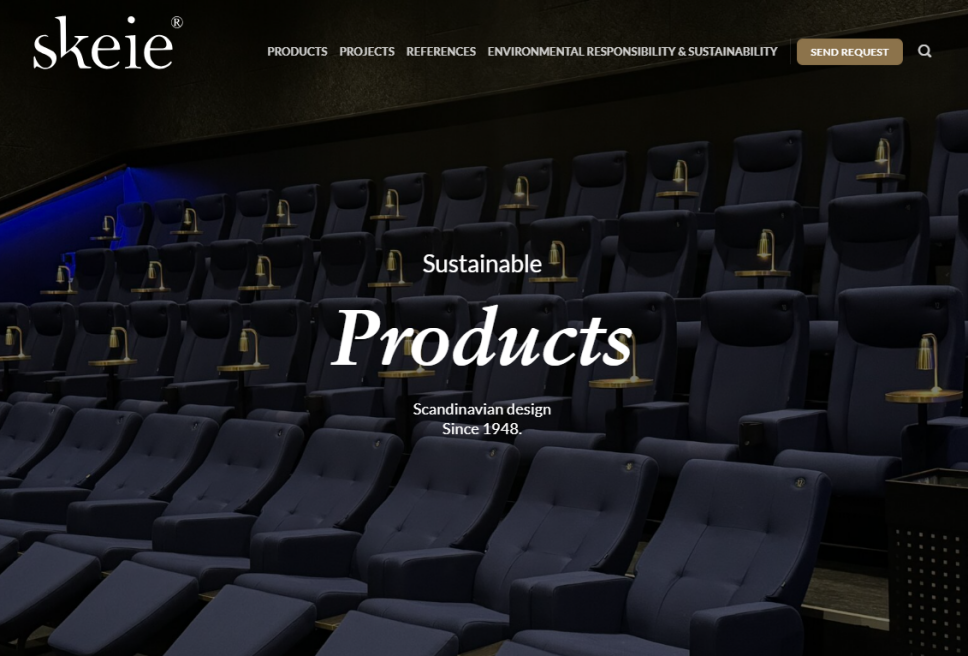
Skeie brings Scandinavian design principles to the urban environment, prioritizing ergonomic health and the use of natural materials. Their seating is often found in cultural districts where the aesthetic impact of the furniture is as important as its functionality.
Pros / Key Features:
- Premium Material Sourcing: High-quality timber and refined finishes that provide a “warm” aesthetic to urban spaces.
- Ergonomic Design: Focus on long-term spinal support for public waiting areas.
- Acoustic Management: Materials selected to minimize sound reverberation in enclosed municipal spaces.
Use Cases: European cultural hubs, boutique municipal theaters, and high-prestige government buildings.
5. Mobiliario
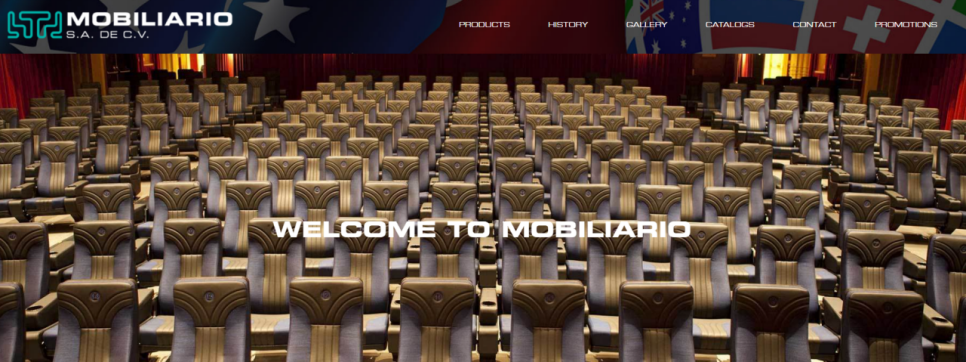
Mobiliario is recognized for its expertise in high-impact polymers, making them a primary choice for high-traffic environments that are exposed to the elements. Their products are designed for extreme physical durability and resistance to vandalism, utilizing thick-walled plastic shells that are difficult to damage.
Pros / Key Features:
- UV Stability: Polymers treated to resist fading and brittleness under intense solar exposure.
- Vandal-Resistant Design: Minimalist structures that reduce leverage points for intentional damage.
- Cost Efficiency: Highly scalable solutions for large-volume municipal sports and transit projects.
Use Cases: Open-air sports arenas, regional bus terminals, and public school grounds.
6. Martin Public Seating
Martin Public Seating acts as a major institutional provider for K-12 and regional civic projects. They excel in providing durable, budget-conscious furniture packages that can handle the specific wear patterns of student populations and general public use.
Pros / Key Features:
- Turnkey Logistics: Comprehensive installation and support network across regional markets.
- Institutional Durability: Heavy-duty steel components designed for high-frequency cleaning.
- Versatile Product Range: Capable of outfitting entire civic complexes with consistent aesthetic standards.
Use Cases: Primary and secondary schools, community centers, and local government meeting halls.
7. Beaufurn
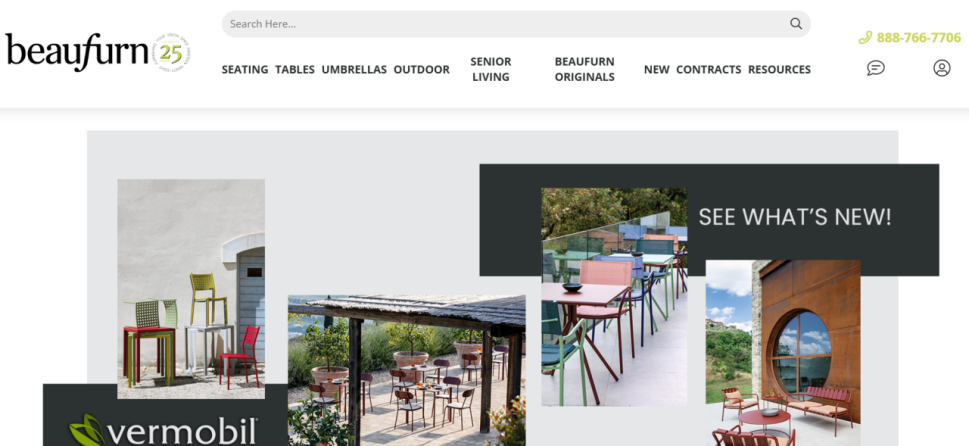
Beaufurn targets the “front-of-house” areas of the smart city, such as luxury transit lounges and commercial corridors. Their designs bridge the gap between residential comfort and commercial durability, offering sophisticated aesthetics for high-end public spaces.
Pros / Key Features:
- Design Versatility: Large selection of custom fabrics and modern geometries.
- Performance Upholstery: Use of high-rub-count textiles that are stain-resistant and easy to maintain.
- Aesthetic Refinement: Focus on reducing the “institutional” feel of public infrastructure.
Use Cases: Private airport lounges, corporate reception areas, and high-end shopping districts.
Selecting the appropriate seating partner requires a systematic evaluation of how these manufacturers align with the broader goals of a smart city development.
How to Choose Seating for Smart City Infrastructure
When evaluating manufacturers for urban infrastructure, procurement officers should focus on technical specifications that impact the total cost of ownership:
- IoT and Power Compatibility: Ensure the seat frame is engineered to house wiring or sensors without exposing them to the elements or tampering.
- Material Resilience: Prioritize cold-molded foam for interior spaces and UV-stabilized metals or polymers for exterior zones to prevent rapid degradation.
- Vertical Control: Partner with manufacturers who control their own fabrication to ensure that replacement parts remain consistent in both fit and finish for over a decade.
- Maintenance Accessibility: Choose designs that allow for the replacement of individual components (e.g., a single armrest or seat pan) without requiring the removal of the entire beam or row.
By focusing on these structural foundations, cities can ensure their seating investment remains functional and safe throughout the life of the infrastructure project.
Final Verdict
The selection of a seating manufacturer for a smart city project is determined by the specific demands of the environment. For high-volume transit hubs and municipal auditoriums that require extreme durability and vertical quality control, Leadcom Seating is the premier choice. For projects focusing on renewable energy and off-grid connectivity, Leadsun Seating provides specialized solar solutions. When the priority is user connectivity within educational or corporate environments, KI offers the most robust tech-integrated options. Finally, for European cultural districts where design and ergonomics are paramount, Skeie remains the most refined provider.
To clarify common technical concerns during the procurement phase, we have provided answers to several frequent questions.
FAQs
Q: Why is “vertical integration” important for municipal procurement?
A: It ensures that the manufacturer has complete control over the chemical and physical properties of all materials. This results in tighter quality control and guarantees that replacement parts will be available and identical in specification 10 to 15 years after installation.
Q: What is the benefit of cold-molded foam in public transit seating?
A: Cold-molded foam forms a protective skin that prevents it from absorbing fluids and odors. It also has a higher density and resilience than standard foam, meaning it will not “bottom out” or lose its shape even with 24/7 public use.
Q: How do smart city sensors integrate into public seating?
A: Modern manufacturers design hollow seat standards or pedestals that act as conduits for wiring. This allows sensors (such as occupancy or environmental sensors) to be mounted within the furniture, protecting the hardware while maintaining a clean, cable-free aesthetic.