 newbusinessinside
Medical education is increasingly exploring immersive technologies to improve learning outcomes. Digital platforms now allow students to study anatomy in a way that combines visual clarity with interactive experiences. Among these methods, virtual cadaver dissection offers an engaging alternative to conventional lab-based teaching. By simulating realistic anatomical structures, these platforms provide learners with opportunities to explore the human body in detail. Companies such as DIGIHUMAN demonstrate how combining digital tools with advanced imaging data can enrich both classroom instruction and independent study.
Interactive Learning With Virtual Cadaver Dissection
Educators often face challenges such as limited access to physical specimens and restricted lab time. Virtual cadaver dissection addresses these concerns by providing repeatable and adjustable simulations. Students can isolate organs, examine multiple layers, and observe spatial relationships from different angles. This approach encourages active learning and enhances comprehension, particularly for complex regions like the thorax or pelvis. Additionally, digital tools allow instructors to highlight structures dynamically, making lessons more intuitive and adaptable for diverse educational needs.
The Role of Advanced Digital Anatomy Tables
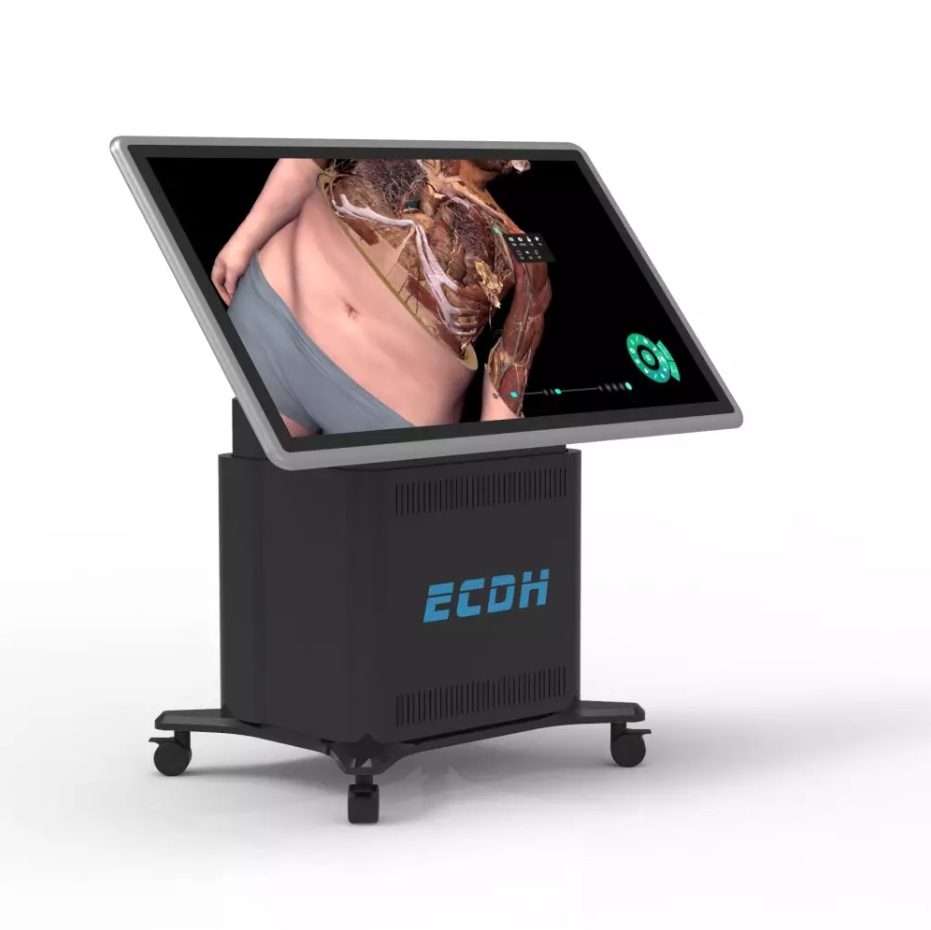
Medical institutions and training centers are adopting tools that merge interactive design with accurate anatomical data. The HD Digihuman Virtual Anatomy Table (65″), classified under Digihuman Virtual Anatomy Table and tagged with Virtual Anatomy and Virtual Anatomy Table, exemplifies this trend. They developed the table using ultra-high-precision tomographic data and 3D reconstruction technology, producing detailed visualizations suitable for lecture demonstrations, laboratory practice, and group study. This system integrates multiple resources into a single platform, helping students develop a three-dimensional understanding of human anatomy efficiently.
Conclusion: Transforming Anatomy Education With Digital Tools
As anatomy teaching evolves, virtual cadaver dissection provides a reliable and flexible way to complement traditional instruction. Digital visualization enhances students’ spatial awareness and understanding of complex structures while offering instructors adaptable teaching methods. Through the innovative solutions offered by DIGIHUMAN, medical programs can combine high-precision data and interactive technologies to create an immersive, effective, and resource-efficient learning experience.